

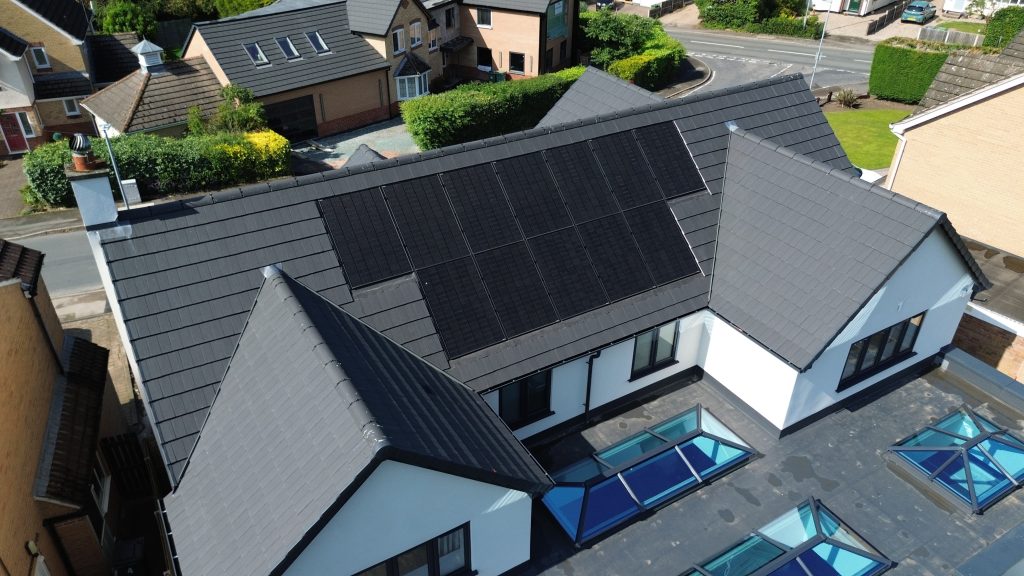
Solar panels are one of the highest intent home upgrades in the UK. In 2026 homeowners are not just trying to be greener, they want lower bills, more control, and a system that performs properly year after year.
The problem is not solar itself. The problem is poor sizing, poor design, and unrealistic expectations.
This guide keeps it simple. You will learn what affects cost, what savings actually depend on, what payback is driven by, and how to choose a system that matches your home.
Are solar panels still worth it in the UK in 2026
For many households, yes. Solar is worth it when the system is designed around your roof and how your household uses electricity.
Solar tends to work best when at least one of these is true:
- You use a moderate to high amount of electricity
- You are home in the daytime, for example working from home
- You can run appliances during daylight hours
- You plan to charge an EV at home
- You want the option to add battery storage
If your roof gets decent daylight exposure and your electricity use is not tiny, solar often makes financial sense.
Check if your home is suitable for solar on our Solar PV Domestic page and request an assessment.
How much do solar panels cost in 2026
Costs vary because every roof is different. The biggest pricing drivers are:
- System size and number of panels
- Roof shape, access, and scaffolding needs
- Shading and layout complexity
- Inverter choice, standard or hybrid
- Whether you add battery storage
Electrical work needed, such as consumer unit upgrades in some cases
A cheaper quote is not always cheaper long term. A system that is undersized, badly laid out, or built with mismatched components can reduce performance and extend payback.
Get a tailored home quote based on your roof and usage, not generic pricing.
What determines how much you save
This is the most important point in the whole blog.
Savings depend less on the number of panels and more on how much solar electricity you use in your home. This is called self consumption.
You usually save more when you:
- Use electricity during daylight hours
- Shift washing, dishwasher, and other loads into daytime
- Charge an EV at home in solar hours when possible
- Add a battery if your usage is mostly evenings
- Use monitoring so you can adjust habits and see results
Two households can install the same system and get different results purely because their daily usage is different.
Solar panels with a battery vs without a battery
Solar without a battery
Best for households that use electricity in the day. It is simpler and lower upfront cost. You still reduce bills if you can use what you generate.
Solar with a battery
Best for households with evening heavy usage. A battery stores surplus solar and lets you use it later. This often increases how much of your solar you use yourself.
In 2026 many homeowners choose one of these two approaches:
Solar now, battery ready design, add storage later if needed
Solar plus battery from day one for maximum self consumption
Compare solar only vs solar plus battery for your home on our Solar PV Domestic page.
Solar payback in 2026 what is realistic
Payback depends on real variables, not headlines:
- Your annual electricity use
When you use electricity, day vs evening - Roof orientation and shading
- System size and design quality
- Battery or no battery
- Electricity prices over time
The smarter question is not what is the exact payback number for everyone. The smarter question is:
How quickly can this system reduce my grid usage reliably year after year.
A proper assessment should be based on your roof and your household usage, not generic assumptions.
Request a realistic estimate based on your home and energy habits.
What to look for in a good domestic solar system
Panels matter, but design matters more. A strong domestic solar setup should include:
- A site specific layout that accounts for shading and roof sections
- Correct inverter sizing and the right inverter type
- Clear performance expectations based on your property
- A tidy install with safety first wiring and protection
- Monitoring so you can track performance
- A plan for future upgrades, battery or EV charger
If an installer cannot explain why the system is sized the way it is, that is a red flag.
See how we design domestic solar systems for long term performance on our Solar PV Domestic page.
Common mistakes that reduce solar savings
Most underperformance comes from avoidable mistakes:
- Choosing the cheapest quote with no proper survey
Ignoring shading and roof layout - Undersizing to save upfront cost, then wishing you went bigger
- Not planning for battery or EV charging later
- Incorrect inverter choices
- No monitoring and no guidance on how to use solar effectively
A good install is not just hardware. It is design, workmanship, and guidance.
Quick checklist is your home a good fit for solar
You are more likely to get strong results if:
- Your roof gets reasonable daylight exposure
- You have enough usable roof space
- Shading is limited or can be designed around
- Your electricity use is moderate or high
You can shift some usage into daytime
If you are unsure, that is normal. A survey exists to answer that properly.
Book a home suitability check through our Solar PV Domestic service.
FAQs solar panels in the UK in 2026
Do solar panels work in winter
Yes. Output is lower because days are shorter, but panels still generate whenever there is daylight.
Do I need planning permission
Many home installations fall under permitted development, but there are exceptions such as listed buildings and conservation areas. Your installer should confirm what applies to your property.
Is a battery worth it
It depends on when you use electricity. If most of your usage is in the evening, a battery can help you use more of your own solar.
How long do solar panels last
Quality systems are built for long term performance and typically come with strong warranties.
Will solar increase my home value
Solar can improve overall appeal because it reduces running costs, but value impact varies by property and buyer.
Next steps
If you are considering solar in 2026, the best next step is a home specific assessment. You will get clarity on roof suitability, sensible system sizing, expected performance, and whether battery storage makes sense for your usage.
View our Solar PV Domestic service and request a domestic solar quote today.